
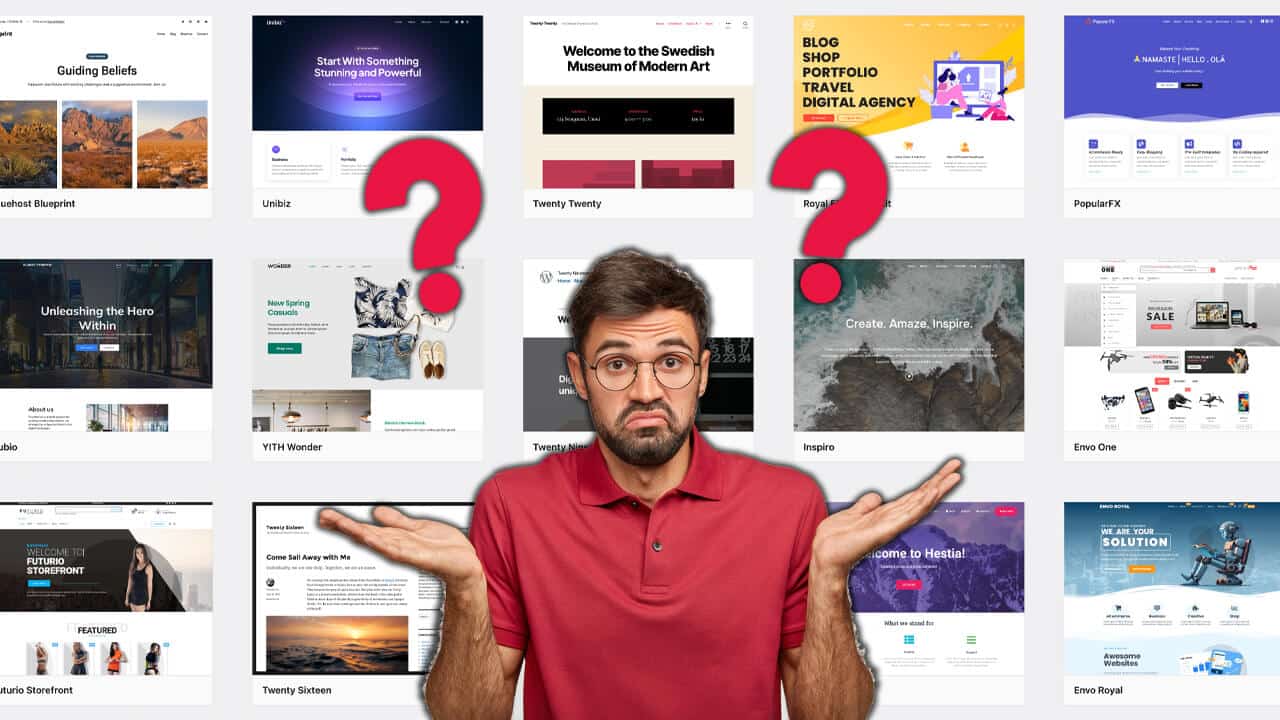
Imagine building a website as effortlessly as tossing together a deck of cards that adapts to every challenge—this is what today’s themes offer.
In an era when nearly half of all websites run on WordPress, the choice of theme profoundly shapes design flexibility, site performance, and next-level customization—not merely the look and feel, but also strategic SEO and responsiveness.
A well-optimized theme can accelerate load times, streamline edits, and act as a springboard for business growth.
Interestingly, the market is dominated by a handful of leading frameworks.
In 2025, themes such as Astra, Hello Elementor, GeneratePress, OceanWP, Neve, Kadence, Twenty Twenty-Four, Divi, Avada, and Blocksy collectively accounted for more than 58% of active WordPress sites.

That is a clear indication that concentration in high-quality design is rising.
Furthermore, about 64% of WordPress sites still rely on free or freemium themes. In comparison, 36% choose fully premium options—a testament to how accessibility and professional features now converge in modern development.
Beyond popularity, performance matters. Take the case of DIY‑SLS.com: after switching to a leaner theme and better hosting setup, page load time dropped from 7.5 seconds to under 2 seconds—a 74% improvement—while reducing page weight by 44.5% and HTTP requests by 31.9%. WebsiteOptimization.com.
This dramatic gain shows how strategic theme selection can directly improve user experience and SEO outcomes.
In today’s WordPress ecosystem, the best-performing frameworks are lightweight, with block-based design in mind, ensuring full-site flexibility and rapid deployment.
Designers and developers boost workflow efficiency using themes that support Gutenberg, Elementor, or proprietary builders—while still maintaining clean code and fast load times.
For instance, freemium models like Astra allow startups to begin for free and scale into feature-rich setups as needs grow.
This introduction sets the stage for exploring how to identify the perfect fit—whether you’re optimizing for speed, SEO, design flexibility, or budget.
The next parts will delve into comparing popular frameworks, free-versus-premium decisions, performance benchmarks, and real-world implementation stories. All built to guide your theme choices for WP without any guesswork.
Choosing the Right Themes for WP: Performance Meets Practicality
Building on the idea of aligning speed, SEO, design flexibility, and budget, the next focus moves into evaluating real-world performance and usage trends.
Understanding which themes truly deliver — not just in benchmarks but in actual adoption — is vital for making informed decisions.
Performance-First Examples
Many of the most widely recommended themes hit the sweet spot between speed and flexibility.
For instance, the Hello Elementor theme shows near-perfect loading performance: GTmetrix scores of 100%, mobile PageSpeed Insights in the 90s, and a remarkably small footprint, around 6 KB (liquidweb.com).
Similarly, themes like Astra and GeneratePress consistently score top marks across performance tools — often achieving 100/100 Lighthouse scores and sub‑second load times at kinsta.com.
These choices offer a rock-solid foundation that supports SEO and usability without sacrificing user experience.
Real-World Usage Patterns
Performance statistics are one thing — real-world adoption offers a different lens. In 2025, Astra led the pack with approximately 24.3% of active WordPress sites, followed by Hello Elementor (17.4%), GeneratePress (13.9%), and Neve (8.7%).
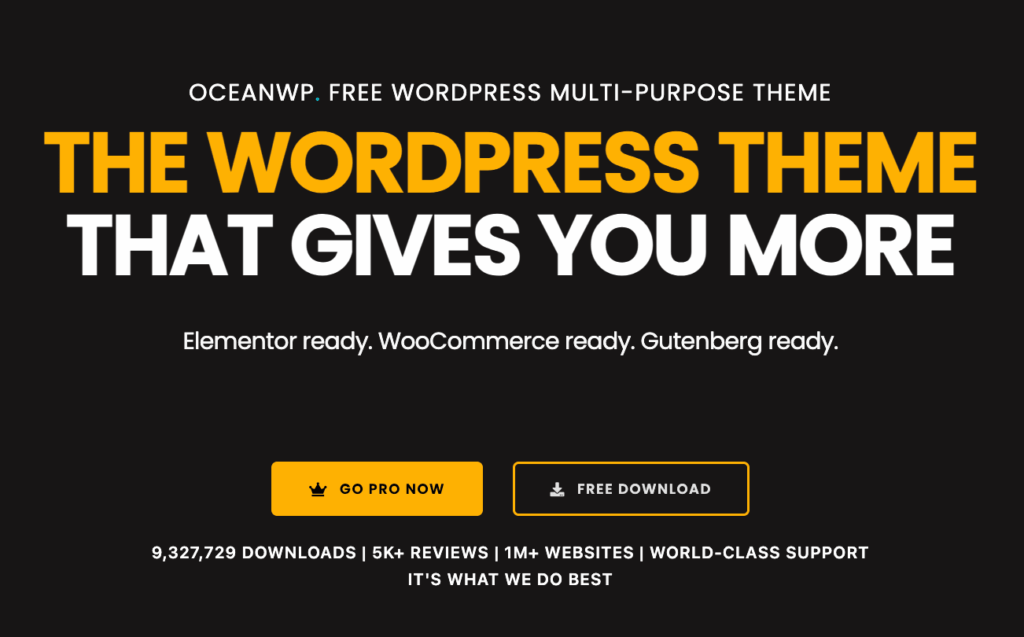
Notably, Avada and Divi continue to hold ground among premium options, with shares of 4.3% and 5.2%, respectively.
This demonstrates that while speed-oriented themes dominate, long-standing premium alternatives remain relevant for users seeking deep customization or builder integrations.
Balancing Speed, Features, and Adoption
Choosing themes isn’t just about picking the fastest—it’s about aligning with project needs and long-term maintenance.
Lightweight, block‑ready frameworks like Astra, Kadence, and GeneratePress offer reliable performance and flexibility.
Astra, for example, combines modular design and predictable stability, praised consistently by professionals for outperforming more hyped options. These traits make such themes dependable choices across a wide range of site types.
Given these insights, readers are now well-positioned to evaluate themes by asking: Which theme delivers both performance and adoption success? And how do benchmarks compare against user community trust and real-world use?
The next section will explore how to weigh free versus premium options in light of these factors.
Why Customization Matters in WordPress Themes
Customization is pivotal when selecting themes for your WordPress site, to allow you to tailor the design to your brand’s unique identity.
Every business or personal site has distinct needs that go beyond simply looking attractive. With a theme that supports customizable options, you can modify colors, fonts, and layouts without requiring extensive coding skills.
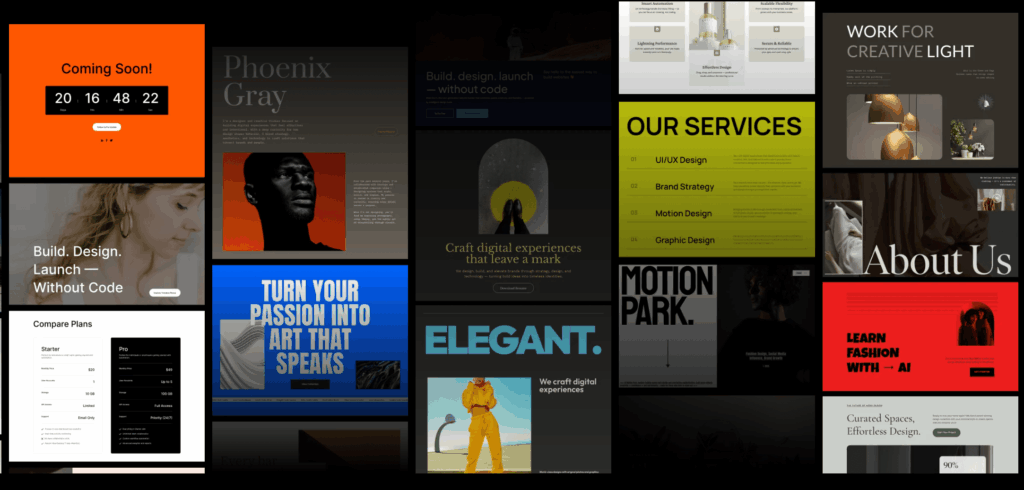
This adaptability ensures your website remains functional and aesthetically pleasing, directly influencing your site’s engagement and user experience.
The Role of Page Builders
Page builders have revolutionized the way users interact with WordPress themes. These tools, such as Elementor and Beaver Builder, provide intuitive drag-and-drop interfaces.
They allow site owners to build custom layouts and add dynamic content with minimal effort.
Many WP themes come with built-in support for page builders, enhancing their flexibility. For instance, by using Elementor with a compatible theme, you can create a professional-looking webpage without hiring a designer. That will enable you to save both time and money.
Case Study: Successful Use of Custom Themes
Consider the booming growth of small businesses leveraging WordPress’s flexibility. A great example is cafés that thrived online by using themes tailored to showcase their offerings creatively.
By utilizing a theme that supports custom widgets, cafés can showcase their menus, embed reservation systems, and showcase customer testimonials.
This strategic customization not only enhances user experience but also boosts local SEO performance.
According to SEJ, businesses that optimize their websites witness an increase in foot traffic of up to 50%.
Using Plugins to Enhance Theme Functionality
The right plugins can elevate your site beyond basic functionality, making it more interactive and user-friendly.
Whether you need to integrate social media feeds, improve site speed, or add e-commerce capabilities, these plugins can help you achieve your goals efficiently.
This flexibility is crucial for maintaining a competitive edge in any industry. It allows your website to evolve alongside changing business needs and digital trends.
Ultimately, the ability to customize themes empowers site owners to create impactful and unique online presences.
Whether it’s through page builders, custom widgets, or strategic plugins, themes can transform a simple site into an engaging experience.
Performance Optimization and SEO Benefits
One significant advantage of selecting the right themes for WP is the potential to enhance website performance and SEO. High-performing themes ensure faster load times, an essential factor in user experience and search engine rankings.
According to a Google report, as page load time increases from 1 second to 5 seconds, the probability of a bounce increases by 90%.
Fast-loading themes, often optimized with lightweight coding and minimalistic design, can significantly reduce server response time. Themes like Astra and GeneratePress are renowned for their speed.
These themes are designed to be lightweight and load quickly, which can be a critical factor for businesses focusing on mobile users, who often deal with narrow bandwidth conditions.
SEO Optimized Features
SEO optimization is a core benefit embedded in many WP themes. Features such as responsive design, schema markup integration, and clean coding help improve search engine visibility.
For instance, using themes that support rich snippets can enhance how search results are displayed, allowing more detailed information to be presented and increasing click-through rates.
A study highlighted by Moz found that websites implementing rich snippets experienced up to a 30% increase in organic traffic.
Additionally, themes integrated with SEO-friendly plugins provide an extra layer of optimization.
The Yoast SEO plugin, compatible with most themes, is a popular choice for managing on-page SEO factors. This functionality provides site owners with actionable insights and recommendations to enhance their site’s SEO performance.
Customizable SEO Elements
Another advantage lies in the ability to customize SEO elements directly through WP themes. Many themes allow users to edit title tags, meta descriptions, and other on-page elements without diving into the code.
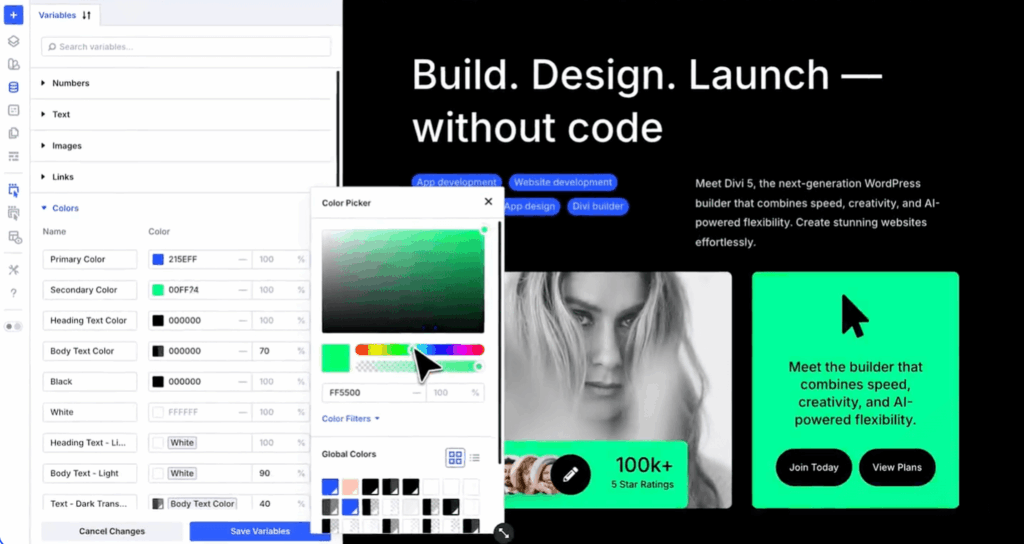
Themes like Divi and OceanWP offer built-in SEO settings that empower even novice users to improve their site’s search engine rankings.
The ability to customize these elements directly from the dashboard simplifies the process and encourages regular updates, which can positively influence search engine rankings.
This adaptability proves crucial for businesses or blogs aiming to target new keywords or shift their content focus in response to changing industry trends.
Conclusion
Choosing the right WordPress theme is more than a stylistic decision; it’s a strategic choice that can have far-reaching implications for your website’s success.
As explored in this article, understanding your content needs, audience preferences, and the specific functionalities you require are all critical factors in making the best choice.
With these insights, you are well-equipped to optimize WP themes to align with your goals.
Keep in mind that a responsive design is essential for enhancing user experience across various devices. According to recent statistics from Statista, mobile devices account for over half of global web traffic.
Therefore, ensuring that your theme adjusts seamlessly to different screen sizes is crucial for maintaining engagement and reducing bounce rates.
Actionable strategies such as testing multiple themes, incorporating feedback from real users, and continually monitoring performance metrics can yield significant improvements.
Employ tools like Google Analytics to track user interactions and make informed adjustments. Successful themes will contribute to faster loading times, improved SEO, and higher conversion rates.
In conclusion, the right theme can be a catalyst for online success, blending aesthetics with functionality to offer an enriching user experience.
During your web development journey, remain adaptable to experimenting with different WP themes to suit your unique requirements. Stay informed about the latest trends and technological advancements.
That is necessary to ensure your website remains a dynamic and integral part of your business or personal brand. Happy theming!
